Understanding High Blood Pressure – The Silent Killer
Introduction
High blood pressure, or hypertension, is one of the most common health conditions affecting people today. Often called the “silent killer”, it develops slowly over time and can go unnoticed until it causes serious damage. If not controlled, it increases the risk of heart attack, stroke, kidney disease, and vision problems. The good news is that with the right lifestyle changes and treatment, hypertension can be managed effectively.
Why Does High Blood Pressure Happen?
Blood pressure rises when the force of blood against the artery walls becomes consistently too high. Some common causes and risk factors include:
-
Unhealthy diet (high salt, fried food, sugary drinks)
-
Lack of exercise and sedentary lifestyle
-
Obesity or being overweight
-
Smoking and alcohol consumption
-
Stress and poor sleep
-
Family history of hypertension
-
Medical conditions like diabetes or thyroid disorders
Symptoms – Why It’s Called Silent
Most people with hypertension don’t feel any symptoms. Some may experience:
-
Headaches
-
Dizziness
-
Blurred vision
-
Shortness of breath
But in many cases, patients realize they have hypertension only after a complication arises. That’s why regular checkups are essential.
How to Control and Prevent Hypertension
Managing blood pressure is a lifelong commitment. Here are some steps that help:
-
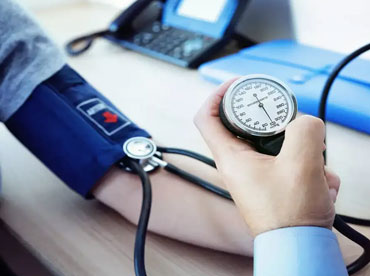
Regular monitoring: Get your BP checked at home or during routine visits.
-
Healthy diet: Reduce salt, eat more fruits, vegetables, and whole grains.
-
Stay active: At least 30 minutes of walking, yoga, or exercise daily.
-
Weight management: Even small weight loss can significantly lower BP.
-
Stress control: Meditation, deep breathing, or hobbies can help.
-
Medications: When prescribed, take them on time and never stop without consulting your doctor.
Key Takeaway
Hypertension does not have to control your life. With awareness, lifestyle changes, and timely treatment, you can live a healthy and active life. Remember — prevention and early control are always better than treatment after complications.